Acoustic vs Digital Piano for Beginners: What to Buy for Your First Year
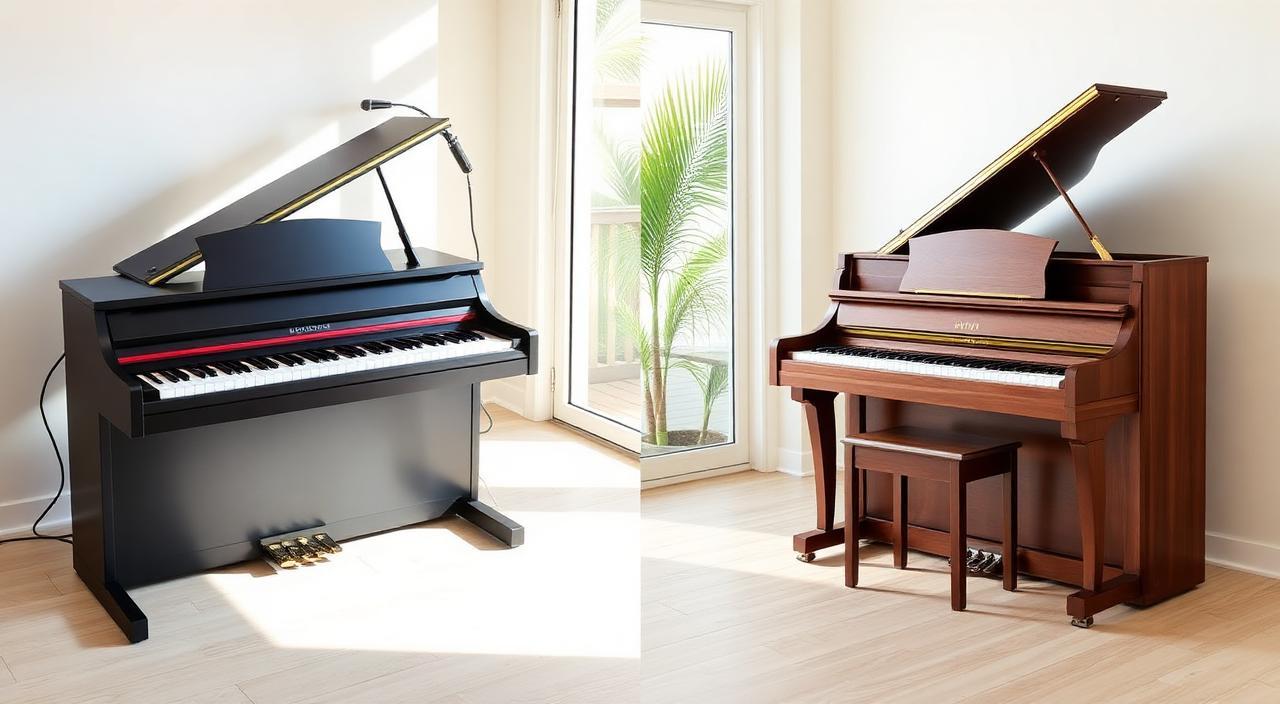
Every new student asks me, "Do I need to buy a real piano to start?" The short answer is no, but you do need the right kind of instrument. Here's how I guide Oahu families, from budget to layout to what actually holds up in Hawaii's humidity.
The three non-negotiables
Whatever you bring home needs all three. Miss one and your child will build habits we'll have to unlearn later:
- 88 full-size keys. 61- and 76-key keyboards run out of room by the second method book.
- Weighted (hammer-action) keys. This is how fingers build strength and control. Unweighted keys feel like typing on a laptop.
- A sustain pedal. Even beginners use it within a few months. A cheap $20 pedal is fine to start; a fancy triple-pedal unit is not needed in year one.
Digital piano: the practical first choice
For most Oahu beginners, a digital piano makes the most sense because it:
- Never needs tuning (acoustic pianos need it 1–2x a year, ~$150 each)
- Handles Hawaii humidity without warping or sticky keys
- Has a headphone jack condo and apartment friendly
- Costs a third of a comparable acoustic
- Fits in a smaller footprint and moves easily
My picks by budget
- Entry ($500–$700): Yamaha P-45 or Casio CDP-S160. Both are 88 fully weighted keys, one built-in sound, small footprint. Perfect first instrument.
- Mid ($800–$1,200): Yamaha P-125a or Roland FP-30X. Better key action, better speakers, more sounds. Worth it if you're confident the student will stick with lessons past year one.
- Upper ($1,500–$2,500): Kawai ES120, Roland FP-60X, or a Yamaha Clavinova CLP-725. Console-style with a real bench and cabinet. Feels closest to acoustic. Usually the last piano a family needs to buy.
Under $400, you're mostly looking at unweighted or 61-key keyboards skip them. I see more frustration than progress with these, and it costs more in practice time than you save upfront.
Acoustic piano: when it makes sense
An acoustic piano is a wonderful thing to have. Consider one when:
- The student has been playing 2+ years and is clearly committed
- You have the space, the floor structure, and the neighbors for it
- You can budget for tuning twice a year
- You're aiming toward classical repertoire or serious performance
A used upright from a reputable local piano shop (not Craigslist) can run $1,500–$4,000. Get it inspected before you buy a "free piano" that needs $2,000 of repair is not actually free.
A note on Hawaii humidity
Acoustic pianos hate humidity swings, and Oahu delivers them. When the trade winds drop in late summer, I see sticky keys pop up from Kaimuki to Mililani. If you go acoustic, plan for a room with a ceiling fan or dehumidifier and keep the piano off exterior walls. Digital pianos don't care.
Bench, headphones, and setup
- Bench: a proper adjustable piano bench matters more than the piano brand. Dining chairs are the wrong height and cause posture problems within weeks.
- Headphones: any decent over-ear pair works. Great for condo living and late night practice.
- Placement: against an interior wall if possible, out of direct sun, and somewhere the student walks past every day. Pianos in spare bedrooms get played half as much as pianos in the living room.
What to skip
- Roll-up keyboards a fun gadget, not a learning instrument.
- Free "just come pick it up" acoustic pianos of unknown age.
- Anything without a sustain pedal input.
- Toy keyboards with light-up keys.
Bottom line
Start with an 88-key weighted digital piano in the $500–$900 range, add a sustain pedal and a real bench, and you're set for the first several years of lessons. Upgrade to acoustic later, if and when it makes sense.
If you'd rather I look at a specific model you're considering, bring it up at your first lesson — I'm happy to weigh in. Not a student yet? Say hi.
Frequently asked questions
Can I really learn on a keyboard, or do I need a real piano?
You can learn on a digital piano — but not on a 61-key unweighted keyboard. The two must-haves are 88 full-size keys and weighted (hammer-action) touch. Without those, fingers build the wrong habits.
Is an acoustic piano worth it for a beginner?
It's not required. Many students spend years on a good digital piano and upgrade to acoustic only when they've committed. For a Honolulu condo or apartment, digital is often the smarter first choice.
How much should I spend on a first piano?
A solid new digital piano runs $500–$900. Under $400, quality drops fast. Over $1,500, you're paying for features that don't affect learning in year one.